Common access problems for Hounslow removals and solutions
Posted on 14/06/2026
Moving in Hounslow can be straightforward on paper, then suddenly awkward the moment a van arrives and reality kicks in. Narrow roads, busy high streets, awkward stairwells, no parking outside, low trees, gated entries, and those classic top-floor flats with one slightly-too-small landing... it all adds up. This guide on common access problems for Hounslow removals and solutions is designed to help you spot the trouble early, plan properly, and avoid the sort of moving day stress nobody needs.
Whether you are moving a studio flat near the centre, a family house off a residential road, or a small office with strict loading rules, access issues can affect timing, safety, cost, and even whether the move happens smoothly at all. The good news? Most problems are manageable once you know what to look for. Let's go through the practical side of it, not the glossy brochure version.

Contents
- Why access problems matter in Hounslow removals
- How access planning works in practice
- Benefits of planning access properly
- Who this guide is for
- Step-by-step guidance for solving access issues
- Expert tips for a smoother move
- Mistakes people often make
- Tools, resources and useful preparations
- Compliance, safety and best practice
- Comparison of access solutions
- Real-world example
- Practical checklist
- Conclusion
- Frequently asked questions
Why Common access problems for Hounslow removals and solutions Matters
Access is one of those things people assume will sort itself out on the day. Then the van turns up and there is nowhere to stop, the staircase has a tight bend, and the box marked "books" is heavier than logic says it should be. That is when delays begin.
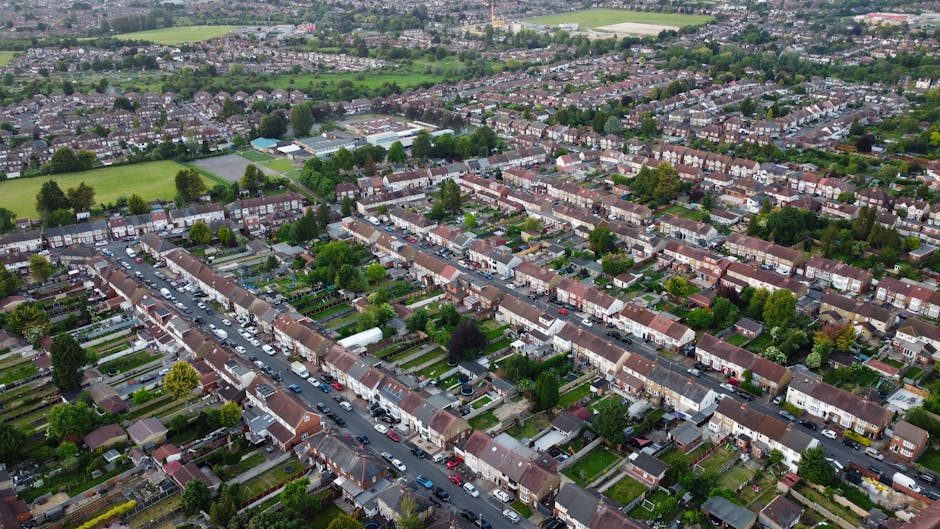
In Hounslow, access matters for a few very ordinary reasons. Roads can be busy, parking can be tight, and many properties sit in terraces, converted houses, purpose-built flats, or mixed-use streets where loading space is limited. If you ignore that at the planning stage, the knock-on effect can be frustrating: longer carrying distances, more labour, extra handling, and more risk of damage to the property or the furniture.
It also matters for trust. A well-run move feels calm, even if it is physically demanding. A badly planned one feels rushed and messy. Truth be told, most moving day complaints start with access, not with the actual transport.
If you are comparing moving options, it helps to understand how access affects the wider service. Pages like removals in Hounslow and removal services Hounslow can give useful context on what a complete move may involve, especially when you need a bit more than a vehicle and a couple of hands.
How Common access problems for Hounslow removals and solutions Works
The simplest way to think about access planning is this: you map the route from the property to the vehicle, then remove as much friction as possible before moving day. That means checking where the van can stop, how far items must be carried, whether lifts work, and whether large furniture can physically fit through the spaces involved.
A proper access review usually looks at five points:
- Vehicle access - can the van reach the property safely and legally?
- Parking and loading - is there space for a van to wait while items are moved?
- Building access - lifts, stairs, corridors, door widths, and turning space.
- Internal obstacles - bulky furniture, fitted cupboards, low ceilings, awkward corners.
- Timing restrictions - building rules, school-run traffic, busy market areas, or local traffic patterns.
Once those points are clear, the solution usually becomes obvious. Maybe the van needs to park a little further away. Maybe a smaller vehicle is better. Maybe the client should split the move over two trips, use a porter plan, or store some items temporarily in storage in Hounslow. The point is not perfection. It is removing surprises.
For example, if a flat is on the third floor with no lift and the staircase turns sharply halfway up, that changes everything. You might still move the items, but you will want the right crew size, the right carrying plan, and enough time so nobody is rushing with a wardrobe at shoulder height. That last bit is not a great look for anybody.
Key Benefits and Practical Advantages
Planning access properly does more than keep things tidy. It improves almost every part of the move.
- Less wasted time - the team can start work immediately instead of improvising.
- Lower risk of damage - fewer awkward lifts and fewer rushed turns through tight spaces.
- Better cost control - surprises are one of the main reasons moves become more expensive.
- Smoother scheduling - especially helpful if you are working around keys, completion times, or building rules.
- Reduced stress - and that is no small thing on a moving day.
- Safer handling - for both people and property.
There is also a commercial side. If you know access is poor, you can choose the right type of support rather than paying for the wrong one. Sometimes a larger team is the smarter choice; other times a smaller vehicle with good local handling makes more sense. If you are comparing options, pages such as man and van Hounslow and removal van Hounslow are useful for understanding how different move sizes are usually approached.
Expert summary: the best access solution is rarely the fanciest one. It is the one that reduces carrying distance, limits lifting risk, and matches the property's actual layout. Simple, but easy to miss.
Who This Is For and When It Makes Sense
This guide is for anyone moving in Hounslow where access might be a little awkward, which is honestly more people than you might think. It is especially useful if you are dealing with:
- top-floor flats or converted properties
- terraced streets with limited parking
- busy roads or one-way traffic layouts
- shared entrances, gated access, or coded entry systems
- large furniture, pianos, or fragile items
- student moves with tight turnaround times
- office moves where loading has to happen outside business hours
If you are moving a one-bedroom flat with a few boxes, you may only need basic planning. If you are dealing with a full house, office equipment, or awkward furniture, you need a more structured approach. For example, a move involving large items can benefit from specialist handling, which is where furniture removals in Hounslow or even piano removals Hounslow may be more appropriate than a standard load-and-go setup.
It also makes sense for people moving at short notice. If access is difficult and you only have a narrow time slot, you may need a faster, more flexible option such as same day removals Hounslow. Not ideal, to be fair, but sometimes life is life.
Step-by-Step Guidance
Here is a practical way to deal with access issues before they become moving-day problems.
1. Walk the route from property to van
Start at the front door and think like a remover. Where will the vehicle stop? Is the path level? Are there steps, tight corners, door closers, or a low archway? You do not need a tape measure for every detail, but you do need a realistic view of the route.
2. Check vehicle access and parking
Ask whether the van can park close enough for efficient loading. If the road is narrow, busy, or restricted, decide in advance whether a smaller vehicle is better. If necessary, you can plan around a longer carry distance, but it should be deliberate, not accidental.
3. Measure the awkward items
Large sofas, beds, wardrobes, fridges, and desks often fail at doorways before they fail at the stairs. Measure the widest points of the furniture and compare them with door widths, landings, and stair turns. It sounds basic, yet this is where many moves wobble.
4. Speak to the building or landlord early
In flats and offices, access sometimes depends on permissions you do not control directly. Check lift booking times, loading bays, entry codes, concierge rules, and any moving-day restrictions. If you leave that until the morning of the move, you are already behind.
5. Match the moving method to the access
Sometimes the solution is not "push harder". It may be a smaller vehicle, an extra pair of hands, short-term storage, or a staggered move. If the layout is complicated, a fuller service through house removals Hounslow or flat removals Hounslow can be easier than trying to improvise on the day.
6. Prepare the property
Clear hallways, remove trip hazards, protect floors if needed, and keep keys, access fobs, and instructions together. If there is clutter in the hallway, it only takes one extra box to turn a mildly awkward turn into a proper bottleneck.
7. Keep a backup plan
Think about what happens if the van cannot stop outside, or the lift breaks, or the loading bay is blocked. A backup plan might be as simple as allowing extra time or arranging storage for a few items. Small preparation, big difference.
Expert Tips for Better Results
A few practical habits make a much bigger difference than most people expect.
- Book access checks early. Even a quick site review can save hours later.
- Photograph awkward spaces. Stairs, landings, parking points, and gates all tell a story.
- Label heavy and fragile items clearly. That helps the crew plan the order of loading.
- Keep the lift clear. If you are sharing with neighbours, avoid blocking the route.
- Use the right box sizes. Smaller boxes for books and dense items; larger ones for light household goods.
- Plan for local traffic. Busy areas can turn a short drive into a slow crawl at the wrong time of day.
If you are moving a student flat, don't overcomplicate it. A tight stairwell, a sofa bed, and a pile of boxes can still be managed well with the right prep. That is one reason student removals Hounslow can be a sensible fit for smaller, faster jobs.
Also, if you are near a busier stretch or a dense residential pocket, it may be worth reading local guidance like the High Street flat moving guide or the Bath Road tight access tips. Those kinds of local notes are often more useful than generic moving advice, because they reflect real street-level conditions.
Common Mistakes to Avoid
The biggest mistakes are usually not dramatic. They are small assumptions that snowball.
- Assuming the van can stop outside. It often cannot, at least not for long.
- Forgetting about stairs and lifts. A property can look spacious and still be awkward in practice.
- Not checking door widths. This matters more than many people realise.
- Leaving everything until moving morning. That is when simple issues become expensive ones.
- Underestimating carrying time. A long walk from van to door changes the whole schedule.
- Not telling the removers about access problems. They cannot plan around what they do not know.
A quieter mistake is failing to think about the order of loading. If the heaviest or most awkward items are buried behind a pile of loose boxes, things get slower and more stressful. Not a disaster, but definitely avoidable.
If budget is on your mind too, it is worth looking at avoiding hidden removals costs in Hounslow. Access issues and hidden costs often travel together, unfortunately.
Tools, Resources and Recommendations
You do not need fancy equipment, but a few simple tools help.
- Tape measure - useful for doorways, furniture and stair turns.
- Phone camera - quick photos of access points can be surprisingly valuable.
- Floor protection and blankets - especially if the route is tight or delicate.
- Labels and marker pens - keep access-critical items easy to identify.
- Storage options - useful if access timing and completion timing do not line up neatly.
For practical planning, a service overview can help you understand the kind of support available before you book. Take a look at services overview if you want a broader picture of how different move types are handled. If you are still at the "how much is this likely to cost me?" stage, pricing and quotes is the obvious next stop.
There are also some useful support pages that build trust and help with expectations, including insurance and safety and health and safety policy. Not glamorous reading, granted, but reassuring when you are moving something expensive or awkward.
Law, Compliance, Standards, or Best Practice
Access planning is not just about convenience. There is a safety angle and, in some cases, a duty to work in a sensible, risk-aware way. UK removals work should follow normal health and safety best practice, which means reducing manual handling risks, avoiding unsafe lifts, and planning routes so people are not forced to carry heavy items down cramped stairs without preparation.
For buildings, the practical rules are often set by landlords, managing agents, or site managers rather than by a single universal system. That is why you should always confirm local procedures for lifts, loading bays, and entry codes. In busy parts of Hounslow, some streets or developments may also have parking constraints or time windows. The exact details vary, so checking early is the safest route.
Best practice also includes clear communication. If a remover knows there is no lift, or the van cannot stop directly outside, they can plan the job properly. If they are left guessing, you tend to get slower work and more frustration. And nobody wants the day to feel like a puzzle with missing pieces.
When choosing a provider, look for signs of a well-organised operation: transparent communication, realistic timing, a sensible approach to safety, and clear terms. Pages such as terms and conditions, payment and security, and about us can help you understand how a service is presented and how seriously it treats the details.
Options, Methods, or Comparison Table
Different access problems call for different fixes. Here is a simple comparison to make that clearer.
| Access issue | Common symptom | Best solution | Notes |
|---|---|---|---|
| No parking close to property | Long carry from van to door | Smaller vehicle, timed loading, extra help | Works well if the road is busy or narrow |
| Many stairs, no lift | Slower carrying and higher strain | More crew time, lighter loads, careful route planning | Very common in flats and converted homes |
| Tight doorways or turns | Large items will not pass through cleanly | Measure items, disassemble furniture, use specialist handling | Worth checking before the move, not during it |
| Restricted loading times | Need to move quickly within a set window | Early booking, staged loading, short-notice support | Useful for offices and managed buildings |
| Temporary access blockage | Lift out of service or bay occupied | Backup plan, storage, revised schedule | Always build in some flexibility |
If you are choosing between a smaller flexible team and a more structured removal setup, the best choice depends on property type, item volume, and how tricky the access is. For example, man with a van Hounslow may suit straightforward jobs, while office removals Hounslow may be better for organised business moves with more moving parts.
Case Study or Real-World Example
A typical Hounslow example would be a two-bedroom flat in a converted property with limited roadside parking, a narrow staircase, and no lift. The client thinks the move is simple because the destination is only a few streets away. Fair enough. But once you look closely, the access changes the job entirely.
What usually happens in that situation is this: the van cannot sit outside for long, so loading must be efficient. The staircase requires careful handling, and large items like a sofa or bed frame need checking before the move begins. If there is also a time restriction from the building management, the move needs a sharper schedule than average.
The solution is usually a mix of preparation and realism. The client clears hallways in advance, books a team size that matches the stairs, separates the awkward furniture early, and allows enough time for parking and carrying. If some items are not needed immediately, they might use short-term storage. Nothing dramatic. Just sensible moving practice.
In a second example, imagine a small office near a busier road where access is fine in the morning but awkward after lunch because of traffic and loading pressure. The better plan may be an early start, a pre-agreed loading area, and a team that can move quickly without scrambling. That is the sort of move where planning beats optimism every time.
Practical Checklist
Use this before moving day. It keeps the whole thing grounded.
- Confirm where the van can park or load
- Measure doors, stair turns and major furniture items
- Check whether there is a lift and whether it works
- Ask about entry codes, keys, concierge rules or booking systems
- Clear the route inside the property
- Identify any fragile, heavy or awkward items early
- Decide whether you need storage for part of the move
- Tell the removers about all known access issues
- Build in extra time for traffic, stairs or long carry distances
- Keep contact details and access instructions ready on the day
If you are moving specific bulky items, it is worth checking whether a specialist approach is needed. That can save a lot of hassle later. If the move is part of a new home setup or a longer property plan, local reading such as Hounslow real estate a guide or real estate investments in Hounslow may also be useful context, especially if timing and access affect your broader move-in schedule.
Conclusion
Common access problems for Hounslow removals and solutions are usually not complicated once they are named properly. The hard part is spotting them early enough to do something sensible about them. Narrow roads, parking pressure, stairs, lifts, and awkward layouts can all be managed, but they need honest planning and a bit of local know-how.
That is really the theme here: do the quiet work before moving day, and the moving day itself becomes far easier. Measure things, ask the awkward questions, check building rules, and choose a service level that fits the property rather than the hope that everything will be fine. It often is fine, but not by accident.
If you are planning a move and want a more personalised discussion of access, timing, or vehicle choice, you can always start with the team via contact. A short conversation now can save a long, tired sigh later.
Get a free quote today and see how much you can save.